
24 Часовая горячая линия
/
/

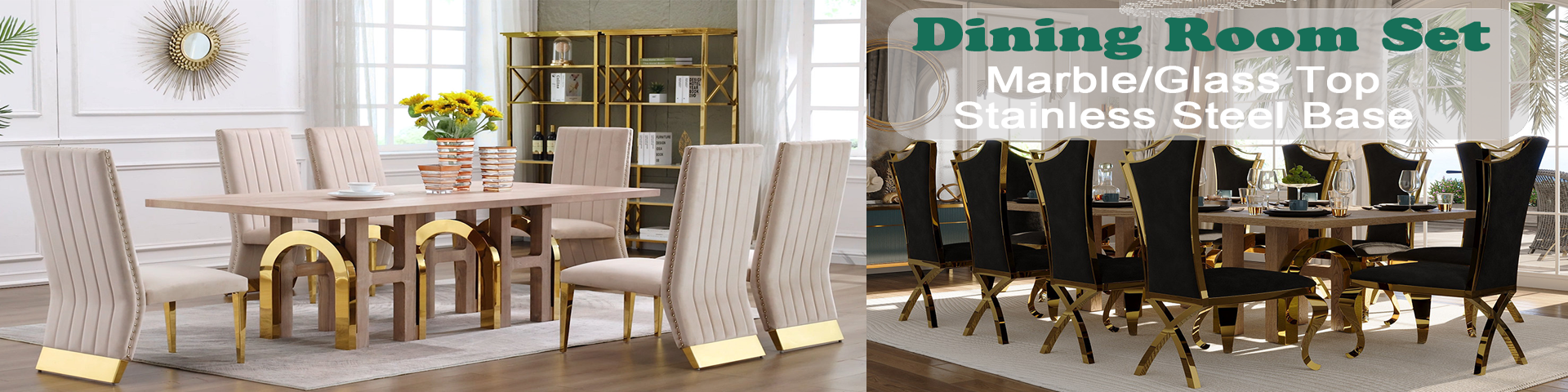
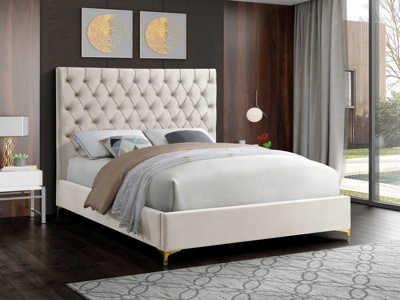
Дизайн диванов для гостиной постоянно эволюционирует, отражая изменения в образе жизни, технологиях и эстетических предпочтениях. В этой статье мы подробно рассмотрим 10 основных тенденций, которые определяют современный рынок мебели. От минимализма до экологичности — эти тренды помогут вам сделать осознанный выбор при обустройстве вашего дома.
Минимализм остается одной из доминирующих тенденций в дизайне диванов. Современные потребители ценят простоту и чистоту линий, что позволяет создавать уютные, но не перегруженные пространства. Диваны в стиле минимализма часто характеризуются прямыми формами, нейтральными цветами и отсутствием излишнего декора. Это не только эстетично, но и практично: такие модели легко вписываются в различные интерьеры и подчеркивают архитектуру помещения.
Функциональность тесно связана с минимализмом. Многие диваны теперь оснащены скрытыми отделениями для хранения, что идеально подходит для малогабаритных квартир. Например, модели с выдвижными ящиками или подъемными механизмами позволяют хранить постельное белье, подушки или другие предметы, сохраняя порядок в гостиной. Это тенденция, которая сочетает в себе красоту и utility, делая диван не просто местом для сидения, а многофункциональным элементом интерьера.
Кроме того, минималистичные диваны часто изготавливаются из durable материалов, таких как металл и высококачественная ткань, что обеспечивает долговечность. Это особенно важно в условиях современной жизни, где мебель должна выдерживать ежедневное использование. Brands like IKEA и West Elm предлагают широкий выбор таких моделей, которые appeals to a wide audience.
В ответ на растущее осознание экологических проблем, дизайн диванов все чаще включает натуральные и sustainable материалы. Дерево, хлопок, лен и переработанные ткани становятся популярными choices для обивки и каркасов. Это не только reduces the environmental impact, но и создает здоровую атмосферу в доме, free from harmful chemicals.
Например, диваны с обивкой из organic cotton или bamboo fiber are not only soft and comfortable but also biodegradable. Многие производители, такие как Herman Miller, активно внедряют экологичные practices, используя certified woods и low-VOC (volatile organic compound) finishes. Это тенденция, которая appeals to environmentally conscious consumers who want to make responsible purchases.
Кроме того, upcycling и recycling играют важную роль. Некоторые бренды создают диваны из переработанных материалов, such as plastic bottles or old fabrics, giving new life to waste. Это не только innovative, но и contributes to a circular economy. As consumers become more aware, demand for such products is expected to grow, making this a key trend for the future.
Эргономика является crucial aspect современного дизайна диванов. With people spending more time at home, comfort has become a top priority. Диваны теперь designed with人体工程学 principles to provide optimal support for the back, neck, and legs. Features like adjustable headrests, lumbar support, and deep seating enhance the user experience, making lounging more enjoyable.
Например, многие модели включают memory foam cushions or spring systems that adapt to the body's shape, reducing pressure points. Это особенно важно для тех, кто suffers from back pain or prefers long Netflix sessions. Brands like La-Z-Boy specialize in ergonomic designs that prioritize comfort without sacrificing style.
Кроме того, модульные диваны allow for customization of seating arrangements, enabling users to create configurations that suit their space and needs. This flexibility is a key part of ergonomic design, as it ensures that the sofa fits perfectly into the living environment. Overall, this trend emphasizes that a good sofa should not only look good but feel good too.
Умные технологии revolutionizes the way we interact with furniture. Диваны теперь often come equipped with built-in USB ports, wireless charging pads, and even integrated speakers or lighting. This allows users to charge their devices or enjoy multimedia without cluttering the space with extra cords.
For instance, some high-end models feature smart controls that adjust the sofa's position or temperature via a smartphone app. This is particularly useful for creating a personalized comfort experience. Companies like Samsung have introduced concept sofas that blend seamlessly with smart home systems, offering features like voice activation or automated adjustments.
This trend is driven by the increasing integration of technology into daily life. As homes become smarter, furniture must adapt to provide convenience and functionality. While still emerging, smart sofas are expected to become more affordable and widespread, making them a significant trend to watch.
Модульные диваны offer unparalleled flexibility, allowing users to rearrange sections to fit different occasions or spaces. This is ideal for modern living, where rooms often serve multiple purposes, such as entertaining guests or working from home. With modular designs, you can easily convert a sofa into a bed or create a cozy corner for reading.
These sofas typically consist of individual pieces that can be connected in various configurations, such as L-shapes, U-shapes, or even circular arrangements. Brands like Resource Furniture are known for their innovative transformable sofas that maximize space efficiency. This trend is particularly popular in urban areas where square footage is limited.
Moreover, модульные диваны often feature storage options or additional functions, like pull-out tables or hidden compartments. This multifunctionality makes them a practical choice for families or individuals who value adaptability. As lifestyles continue to evolve, the demand for such versatile furniture is likely to increase.
Color plays a vital role in interior design, and sofas are no exception. Recent trends show a shift towards bold and rich colors, such as deep blues, emerald greens, or vibrant oranges, which add personality and warmth to a living room. Neutral tones like beige and gray remain popular for their versatility, but accent colors are gaining traction for making a statement.
Textures also contribute to the visual appeal. Velvet, leather, and knitted fabrics are commonly used to create depth and interest. For example, a velvet sofa in a jewel tone can become the focal point of a room, exuding luxury and sophistication. This trend allows individuals to express their unique style and create inviting spaces.
Additionally, patterns like geometric prints or floral designs are making a comeback, offering a playful alternative to solid colors. This diversity in color and texture ensures that there is a sofa to match any decor style, from modern to traditional. As people spend more time at home, personalization through color becomes increasingly important.
In response to the desire for comfort and relaxation, sofas are designed to evoke a sense of coziness and hospitality. This includes features like plush cushions, oversized dimensions, and soft, inviting fabrics. The goal is to create a space where people can unwind and feel at ease, whether alone or with guests.
For instance, sectionals with deep seats and ample padding are perfect for lounging, while designs with rounded edges and warm materials enhance the welcoming atmosphere. This trend is influenced by the Danish concept of "hygge," which emphasizes comfort and contentment in everyday life.
Moreover, sofas are often paired with throw blankets and pillows to add layers of comfort and style. This not only improves functionality but also allows for seasonal updates without replacing the entire piece. As homes become sanctuaries, this focus on coziness is likely to remain a key trend.
Customization is becoming increasingly important in sofa design. Many brands offer options to choose the fabric, color, size, and configuration, allowing customers to create a piece that perfectly suits their needs and tastes. This personalized approach ensures that the sofa is not just furniture but a reflection of the individual's personality.
For example, companies like Interior Define provide online tools where users can design their own sofas, selecting from various materials and styles. This trend caters to the growing demand for unique and tailor-made products, especially in a market saturated with mass-produced items.
Additionally, customization extends to functional aspects, such as adding storage or choosing the firmness of cushions. This level of personalization enhances user satisfaction and longevity of the product, as it is designed to meet specific requirements. As technology advances, we can expect even more options for custom sofas in the future.
Global influences are shaping sofa design, with elements from various cultures being incorporated into modern pieces. For instance, Scandinavian minimalism, with its clean lines and light woods, remains popular, while Mediterranean styles bring in warm colors and rustic textures. This fusion creates diverse and eclectic options for consumers.
Asian influences, such as Japanese minimalism or Indian patterns, add exotic flair to sofas, often through intricate carvings or vibrant fabrics. This trend celebrates diversity and allows people to bring a piece of the world into their homes. It also reflects the interconnected nature of today's society, where cultural exchange is commonplace.
Moreover, sustainable practices from different regions, like handcrafted techniques from Africa or eco-friendly materials from South America, are being adopted. This not only enriches design but also promotes ethical production. As travel and communication continue to globalize, this trend is expected to flourish, offering endless inspiration for sofa design.
Sustainability is a overarching trend that encompasses many aspects of sofa design. Beyond materials, it includes durability and repairability. Consumers are increasingly looking for sofas that last longer and can be easily maintained or repaired, reducing waste and consumption.
For example, modular designs allow for replacement of individual parts rather than the entire sofa, extending its lifespan. Brands are also offering repair services or selling spare parts, encouraging a circular economy. This shift towards longevity is driven by environmental concerns and economic practicality.
Additionally, certifications like FSC (Forest Stewardship Council) for wood or OEKO-TEX for fabrics assure customers of sustainable practices. This trend is not just a passing fad but a fundamental change in how furniture is produced and consumed. As awareness grows, sustainable sofas will become the norm rather than the exception.
В заключение, дизайн диванов для гостиной continues to evolve, driven by trends such as minimalism, sustainability, ergonomics, smart technology, modularity, color diversity, coziness, customization, global influences, and durability. These elements reflect the changing needs and values of consumers, emphasizing comfort, functionality, and environmental responsibility. By understanding these trends, you can make informed choices that enhance your living space and contribute to a better future. Whether you prefer a sleek modern sofa or a cozy traditional one, there is something for everyone in today's diverse market.
 Земля Адрес:4 / F, Building 12, 545 Are, Furniture Gathering Area, Longhua Industrial Park, Longhua Town, Ganzhou, Jiangxi, China
 Электричество Слова:
 Руки Машина:
 Почта Ящик: